A critical lack of cash reserves is putting 40% of small indies at risk of closing within the next two years as broadcasters tighten budgets, according to research from Indielab.
Of the 203 active indies with a turnover of less than £10m studied by the industry body, 114 had faced a decline in their financial reserves over the past three years, while 83 had lost more than 30% and 63 had lost more than half.
By contrast, 85 grew their reserves over the same period.
The typical small indie has a buffer of just £42,000, which would put them at risk of going bust if one commission was delayed, a production overran or a series was put on hold after delivery.
This was down from an already precarious £51,000 at the start of the three-year period.
Indielab chief executive Victoria Powell described the findings as “stark” for the industry.
“Small producers are the most exposed part of the ecosystem,” she said. “When commissioning spend falls, they feel it first and hardest. Our data shows the sector’s health is being eroded, year on year.
“We have seen many notable closures across the sector in the last two years. We know of many more companies that have quietly closed or mothballed outside the headlines. Our data strongly suggests this trend will accelerate.”
According to Pact, UK public service broadcaster commissioning spend fell to £1.73bn in 2024, its lowest level since the 2020 Covid pandemic.
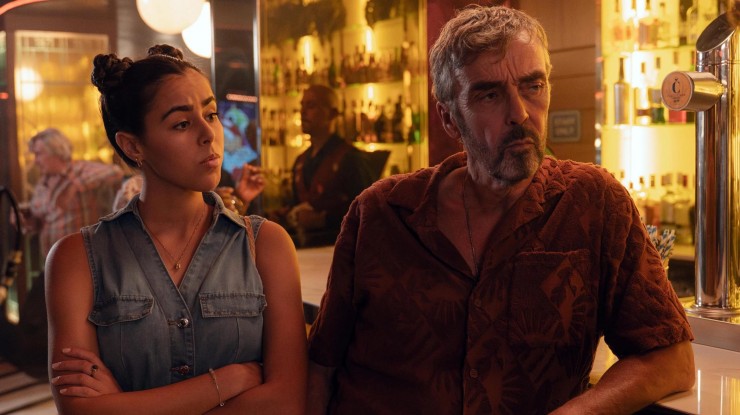
An Oliver & Ohlbaum (O&O) report for Everyone TV warned of a “spiral of decline” for UK production if the trend continues, with more indies likely to fold, following recent closures of the likes of Lost Boys and Fairies producer Duck Soup Films, P Diddy: the Rise and Fall indie Proper Content, and Dare Pictures, which made Fugitive: the Mystery of the Crypto Queen [pictured].
O&O highlighted that small producers represented 76% of all indie groups commissioned by PSBs last year, and made 85% of all production hours.
Powell called for the PSB environment to be protected more strongly.
“The government must work with the sector on reforms that strengthen, rather than weaken, public service broadcasting,” she said.
“The small indie sector needs specific protection and support within that environment. PSBs with a statutory duty to support independent production need to consider what that duty really means in practice, and whether they are currently meeting it.”