In the mid 1980s personal computers were still mostly tools for numbers and text. Graphics lagged far behind. Creative professionals had little reason to look beyond traditional studios.Then Commodore launched the Amiga 1000. With thousands of colors, advanced animation, and multitasking, it promised something new. Computers could finally become tools for artists.🖌️ Warhol’s Bold Move 🖌️Andy Warhol had already transformed everyday images into high art. His silk screen... Read more
In the mid 1980s personal computers were still mostly tools for numbers and text. Graphics lagged far behind. Creative professionals had little reason to look beyond traditional studios.
Then Commodore launched the Amiga 1000. With thousands of colors, advanced animation, and multitasking, it promised something new. Computers could finally become tools for artists.
🖌️ Warhol’s Bold Move 🖌️
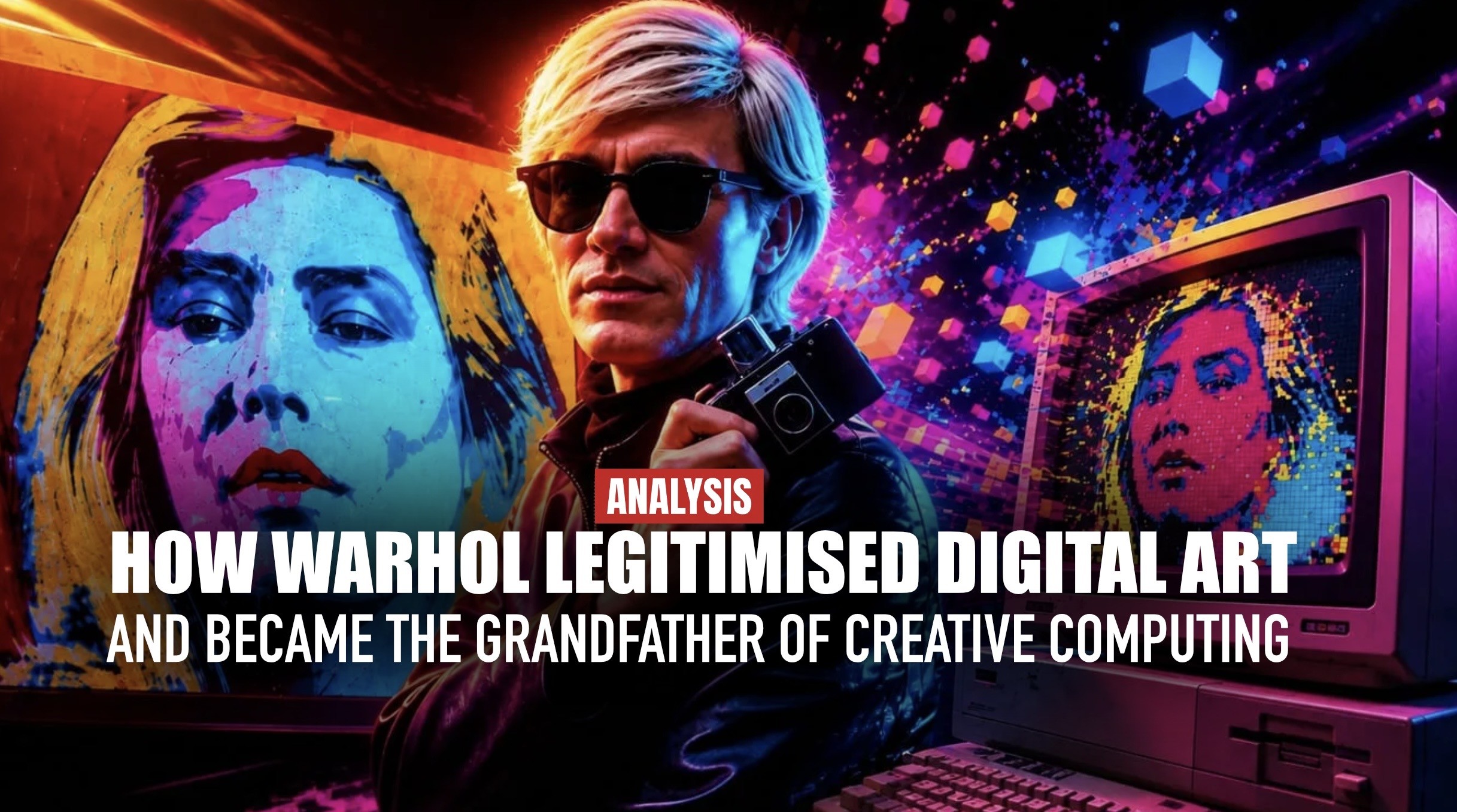
Andy Warhol had already transformed everyday images into high art. His silk screen portraits of Marilyn Monroe, Elvis, and Campbell’s soup cans blurred the line between commercial and fine art. On July 23 1985 at Lincoln Center, Commodore staged a glamorous launch. Warhol took the stage with Debbie Harry of Blondie. A camera digitized her face onto the Amiga screen. Using early paint software, Warhol added bold color fills to her hair and background, creating a digital portrait in his iconic style. He called the process spontaneous.
💾 The Legacy in Floppy Disks 💾
Warhol continued experimenting on his own Amigas. Decades later researchers recovered about 28 digital works from aging floppy disks held by the Andy Warhol Museum. Files included playful versions of Venus, Campbell’s soup, and Marilyn. In 2021 several were sold as NFTs. More recently a set including the Debbie Harry portrait was offered privately for 26 million dollars.
❓ What Counts as Original? ❓
Warhol’s studio relied on assistants and mechanical reproduction. Many prints were never touched by his hand. This raises questions digital files provoke today. What counts as an original when the artist embraces mechanical processes? The Warhol Authentication Board once reviewed thousands of works with examination fees around 2000 dollars. An official stamp could multiply a print’s value several times over. The board closed in 2012 after legal costs soared.
📈 What It Meant for Commodore 📈
The Warhol demonstration repositioned the Amiga as a creative powerhouse. Early production delays limited first year sales to roughly 35,000 units, yet the event shifted public perception. Computers belonged in studios and living rooms, not just offices. The Amiga later influenced video production, animation, and music.
🤖 Today’s AI Endorsements 🤖
Warhol’s moment showed how a cultural icon could make new technology feel exciting and accessible. Today similar questions arise with AI tools. Will artist or celebrity endorsements shape how the public embraces generative AI the same way Warhol helped introduce digital graphics?
————————————
For anyone wanting tomorrows story now :
Max Headroom: The 80s GenAI Illusion : How 1980’s greatest TV trick predicted the future of synthetic media
It’s live on my substack.
https://nicknmedia.substack.com
#Warhol #Amiga #DigitalArt #TechHistory #AI
Then Commodore launched the Amiga 1000. With thousands of colors, advanced animation, and multitasking, it promised something new. Computers could finally become tools for artists.
🖌️ Warhol’s Bold Move 🖌️
Andy Warhol had already transformed everyday images into high art. His silk screen portraits of Marilyn Monroe, Elvis, and Campbell’s soup cans blurred the line between commercial and fine art. On July 23 1985 at Lincoln Center, Commodore staged a glamorous launch. Warhol took the stage with Debbie Harry of Blondie. A camera digitized her face onto the Amiga screen. Using early paint software, Warhol added bold color fills to her hair and background, creating a digital portrait in his iconic style. He called the process spontaneous.
💾 The Legacy in Floppy Disks 💾
Warhol continued experimenting on his own Amigas. Decades later researchers recovered about 28 digital works from aging floppy disks held by the Andy Warhol Museum. Files included playful versions of Venus, Campbell’s soup, and Marilyn. In 2021 several were sold as NFTs. More recently a set including the Debbie Harry portrait was offered privately for 26 million dollars.
❓ What Counts as Original? ❓
Warhol’s studio relied on assistants and mechanical reproduction. Many prints were never touched by his hand. This raises questions digital files provoke today. What counts as an original when the artist embraces mechanical processes? The Warhol Authentication Board once reviewed thousands of works with examination fees around 2000 dollars. An official stamp could multiply a print’s value several times over. The board closed in 2012 after legal costs soared.
📈 What It Meant for Commodore 📈
The Warhol demonstration repositioned the Amiga as a creative powerhouse. Early production delays limited first year sales to roughly 35,000 units, yet the event shifted public perception. Computers belonged in studios and living rooms, not just offices. The Amiga later influenced video production, animation, and music.
🤖 Today’s AI Endorsements 🤖
Warhol’s moment showed how a cultural icon could make new technology feel exciting and accessible. Today similar questions arise with AI tools. Will artist or celebrity endorsements shape how the public embraces generative AI the same way Warhol helped introduce digital graphics?
————————————
For anyone wanting tomorrows story now :
Max Headroom: The 80s GenAI Illusion : How 1980’s greatest TV trick predicted the future of synthetic media
It’s live on my substack.
https://nicknmedia.substack.com
#Warhol #Amiga #DigitalArt #TechHistory #AI