What a marvel of a masterclass on The Neighbourhood, hosted by Talent Manager, featuring Executive Producer Ros Coward and Director of Development Kat Hebden.The session offered valuable insight into the journey from concept to commission, exploring the development process behind the new reality format and... Read more
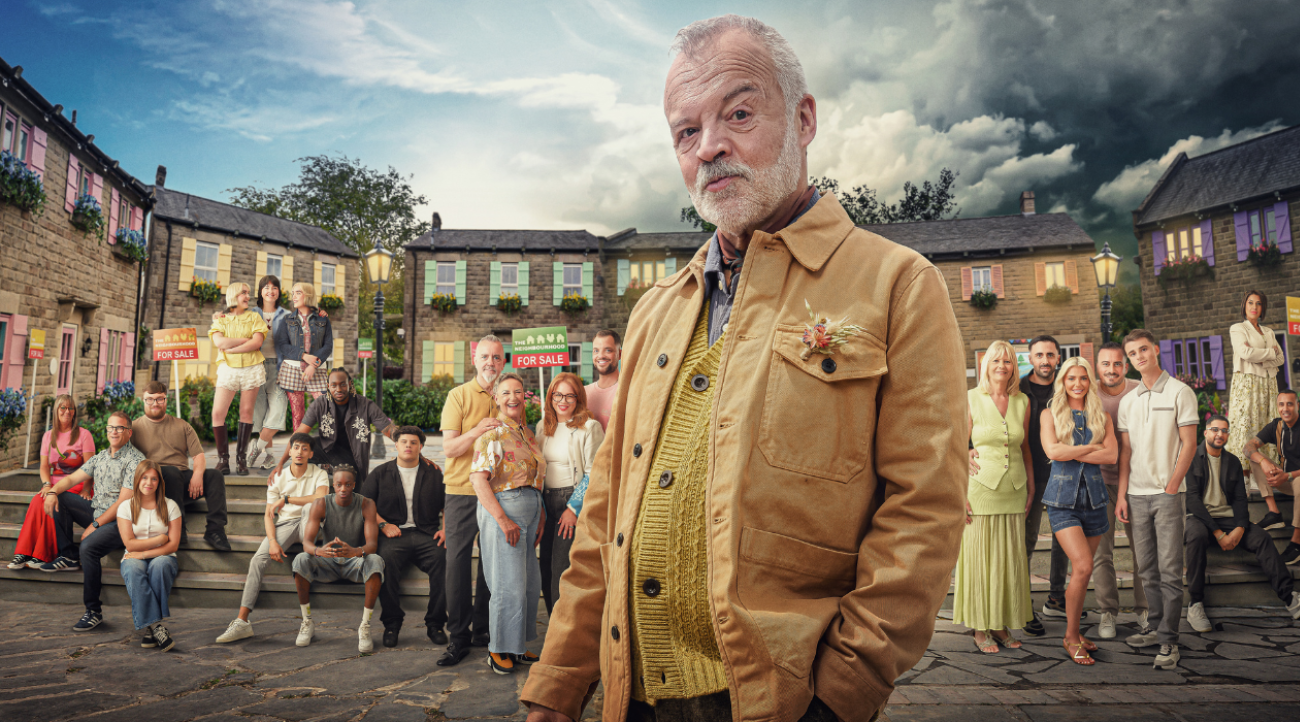
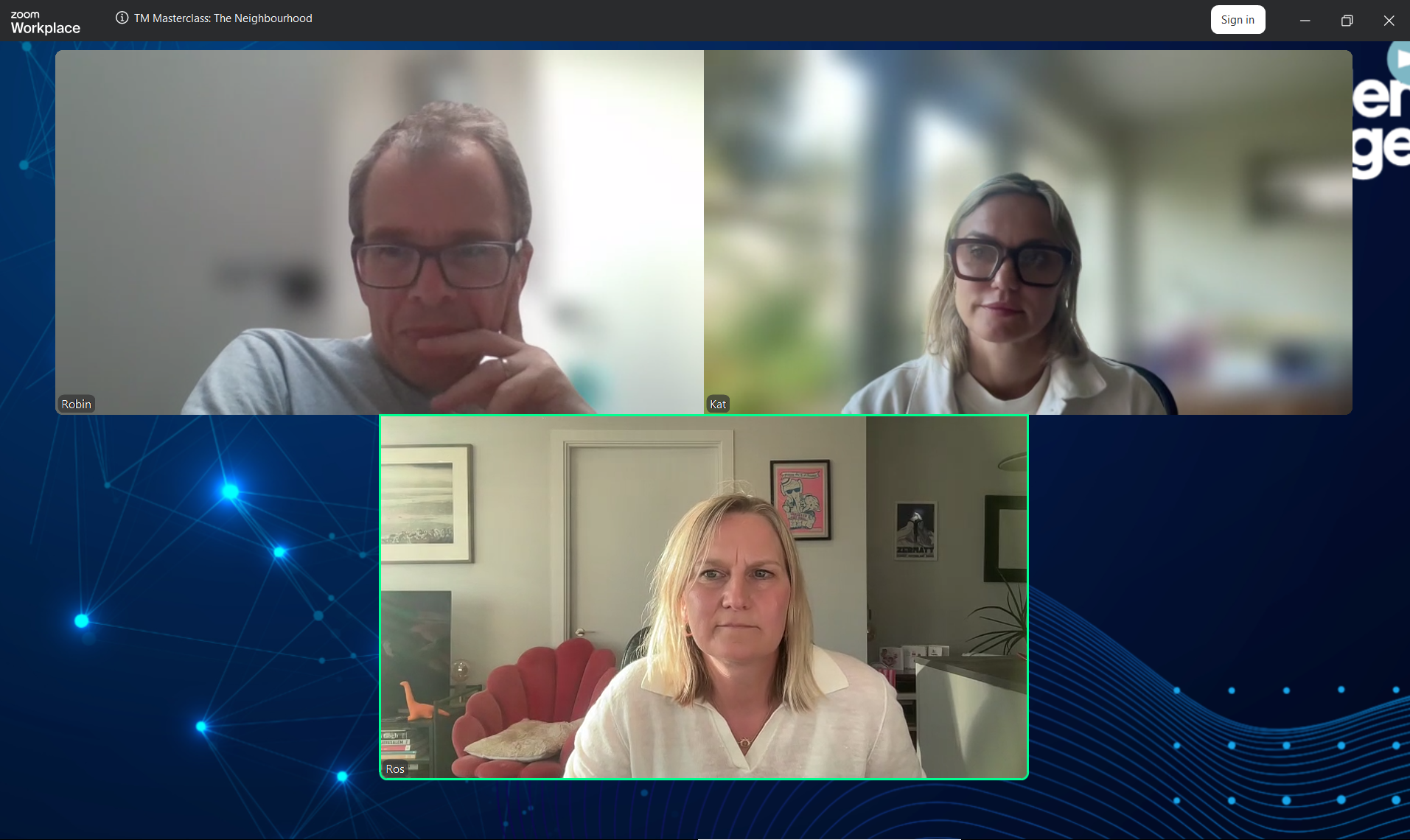
What a marvel of a masterclass on The Neighbourhood, hosted by Talent Manager, featuring Executive Producer Ros Coward and Director of Development Kat Hebden.
The session offered valuable insight into the journey from concept to commission, exploring the development process behind the new reality format and challenges in creating large-scale entertainment series from scratch.
It was particularly interesting to hear about the importance of identifying a distinctive hook, understanding audience demand, and balancing creative ambition with the practical realities of production. One aspect that stood out was the discussion around the juxtaposition of public and private life, and how family and neighbourhood dynamics become a lens through which audiences engage with wider social questions.
The show's suburban setting felt reminiscent of The Truman Show, creating an intriguing tension between observation, performance and authenticity. It raises questions that extend beyond reality television and into documentary filmmaking: how do we capture the reality of people's lives when the presence of cameras inevitably shapes behaviour? Where do public personas end and private selves begin?
Another insight that resonated with me was the discussion around flexibility in production. While a format may spend months, or even years, in development, the reality of production requires constant adaptation. The team spoke about designing rules and structures that encourage compelling interactions without restricting natural behaviour, a delicate balance between creating a format and allowing genuine moments to emerge.
It highlighted the importance of thinking on your feet and responding to the unexpected. No matter how carefully a project is planned, the realities of participant behaviour and production logistics inevitably shape the final outcome. This is a challenge echoed across reality television and documentary filmmaking alike, where creators must navigate the tension between structure and spontaneity, planning and observation. Like in life, being open to new opportunities coming your way, some of the most compelling stories emerge not from rigidly following a plan, but from being prepared enough to recognise opportunities when they appear.
As someone interested in writing, research and activist storytelling, it was invaluable to gain insight into the development process and the strategic thinking that underpins success. One of my key takeaways was that strong storytelling isn't simply the result of a great idea; it's the product of rigorous research, careful preparation, creative problem-solving and the ability to adapt when reality inevitably diverges from the plan.
Thank you to everyone involved for such an engaging and thought-provoking session.
The session offered valuable insight into the journey from concept to commission, exploring the development process behind the new reality format and challenges in creating large-scale entertainment series from scratch.
It was particularly interesting to hear about the importance of identifying a distinctive hook, understanding audience demand, and balancing creative ambition with the practical realities of production. One aspect that stood out was the discussion around the juxtaposition of public and private life, and how family and neighbourhood dynamics become a lens through which audiences engage with wider social questions.
The show's suburban setting felt reminiscent of The Truman Show, creating an intriguing tension between observation, performance and authenticity. It raises questions that extend beyond reality television and into documentary filmmaking: how do we capture the reality of people's lives when the presence of cameras inevitably shapes behaviour? Where do public personas end and private selves begin?
Another insight that resonated with me was the discussion around flexibility in production. While a format may spend months, or even years, in development, the reality of production requires constant adaptation. The team spoke about designing rules and structures that encourage compelling interactions without restricting natural behaviour, a delicate balance between creating a format and allowing genuine moments to emerge.
It highlighted the importance of thinking on your feet and responding to the unexpected. No matter how carefully a project is planned, the realities of participant behaviour and production logistics inevitably shape the final outcome. This is a challenge echoed across reality television and documentary filmmaking alike, where creators must navigate the tension between structure and spontaneity, planning and observation. Like in life, being open to new opportunities coming your way, some of the most compelling stories emerge not from rigidly following a plan, but from being prepared enough to recognise opportunities when they appear.
As someone interested in writing, research and activist storytelling, it was invaluable to gain insight into the development process and the strategic thinking that underpins success. One of my key takeaways was that strong storytelling isn't simply the result of a great idea; it's the product of rigorous research, careful preparation, creative problem-solving and the ability to adapt when reality inevitably diverges from the plan.
Thank you to everyone involved for such an engaging and thought-provoking session.