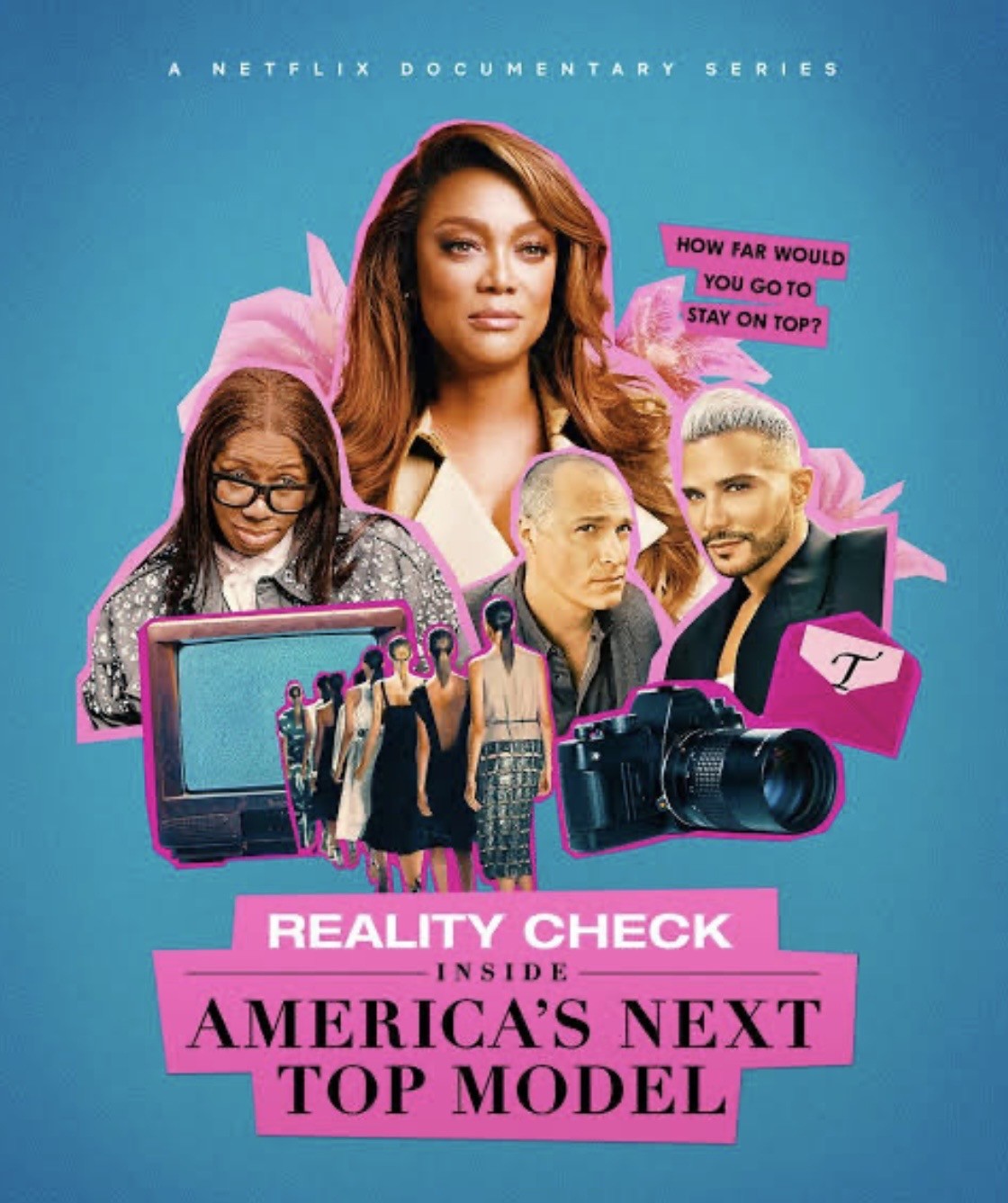
I watched Reality Check: Inside America’s Next Top Model and the key takeaway is this: the 2000s were absolutely unhinged in terms of what the industry got away with and how far they pushed contestants. It’s arguably not great now, but back then the contestants had no blueprint, at least for the first few seasons. They were chewed up and spat out, and the documentary makes that uncomfortably clear.
... Read more
I watched Reality Check: Inside America’s Next Top Model and the key takeaway is this: the 2000s were absolutely unhinged in terms of what the industry got away with and how far they pushed contestants. It’s arguably not great now, but back then the contestants had no blueprint, at least for the first few seasons. They were chewed up and spat out, and the documentary makes that uncomfortably clear.
What makes the special so compelling and so revealing is that Tyra Banks appears to be the only person in the room who doesn’t realise this is an exposé rather than an affectionate look back at a cultural moment. She arrives seemingly expecting a celebration and delivers one regardless, which creates this fascinating, almost surreal tension throughout. It’s almost as though the producers knew exactly what they were doing by inviting her, so committed is she to the idea that everything was fine, brilliant even, and not massively problematic.
The result is a documentary that works on two levels simultaneously as a genuine reckoning with how reality television exploited young women under the guise of opportunity, and as an inadvertent character study of someone incapable of sitting with accountability. You can argue that some of what’s shown, definitely not all, was deemed perfectly acceptable by audiences at the time. Standards were different, the conversation around mental health and exploitation in entertainment was quieter, and viewers largely played along. But by today’s standards, looking back is quite shocking. The distance of twenty-odd years has a way of making cruelty look exactly like what it was.
At least the other Exec Ken Mok admitted, just the once, that he went too far. Tyra deflected every bit of negativity about her role in the show, which was clearly considerable. On one hand she’s excitedly claiming credit for the edit, then turning around and saying “that was production, not me,” and pretending not to remember key moments including a widely circulated meme. Her lack of empathy for Miss Jay is probably the big eye opener. Disastrous PR move.
The documentary is well worth watching, not just as a nostalgia piece but as a broader meditation on what we accepted as entertainment and who paid the price for it. The contestants who speak out do so with a clarity and generosity that the show itself never afforded them.
What makes the special so compelling and so revealing is that Tyra Banks appears to be the only person in the room who doesn’t realise this is an exposé rather than an affectionate look back at a cultural moment. She arrives seemingly expecting a celebration and delivers one regardless, which creates this fascinating, almost surreal tension throughout. It’s almost as though the producers knew exactly what they were doing by inviting her, so committed is she to the idea that everything was fine, brilliant even, and not massively problematic.
The result is a documentary that works on two levels simultaneously as a genuine reckoning with how reality television exploited young women under the guise of opportunity, and as an inadvertent character study of someone incapable of sitting with accountability. You can argue that some of what’s shown, definitely not all, was deemed perfectly acceptable by audiences at the time. Standards were different, the conversation around mental health and exploitation in entertainment was quieter, and viewers largely played along. But by today’s standards, looking back is quite shocking. The distance of twenty-odd years has a way of making cruelty look exactly like what it was.
At least the other Exec Ken Mok admitted, just the once, that he went too far. Tyra deflected every bit of negativity about her role in the show, which was clearly considerable. On one hand she’s excitedly claiming credit for the edit, then turning around and saying “that was production, not me,” and pretending not to remember key moments including a widely circulated meme. Her lack of empathy for Miss Jay is probably the big eye opener. Disastrous PR move.
The documentary is well worth watching, not just as a nostalgia piece but as a broader meditation on what we accepted as entertainment and who paid the price for it. The contestants who speak out do so with a clarity and generosity that the show itself never afforded them.