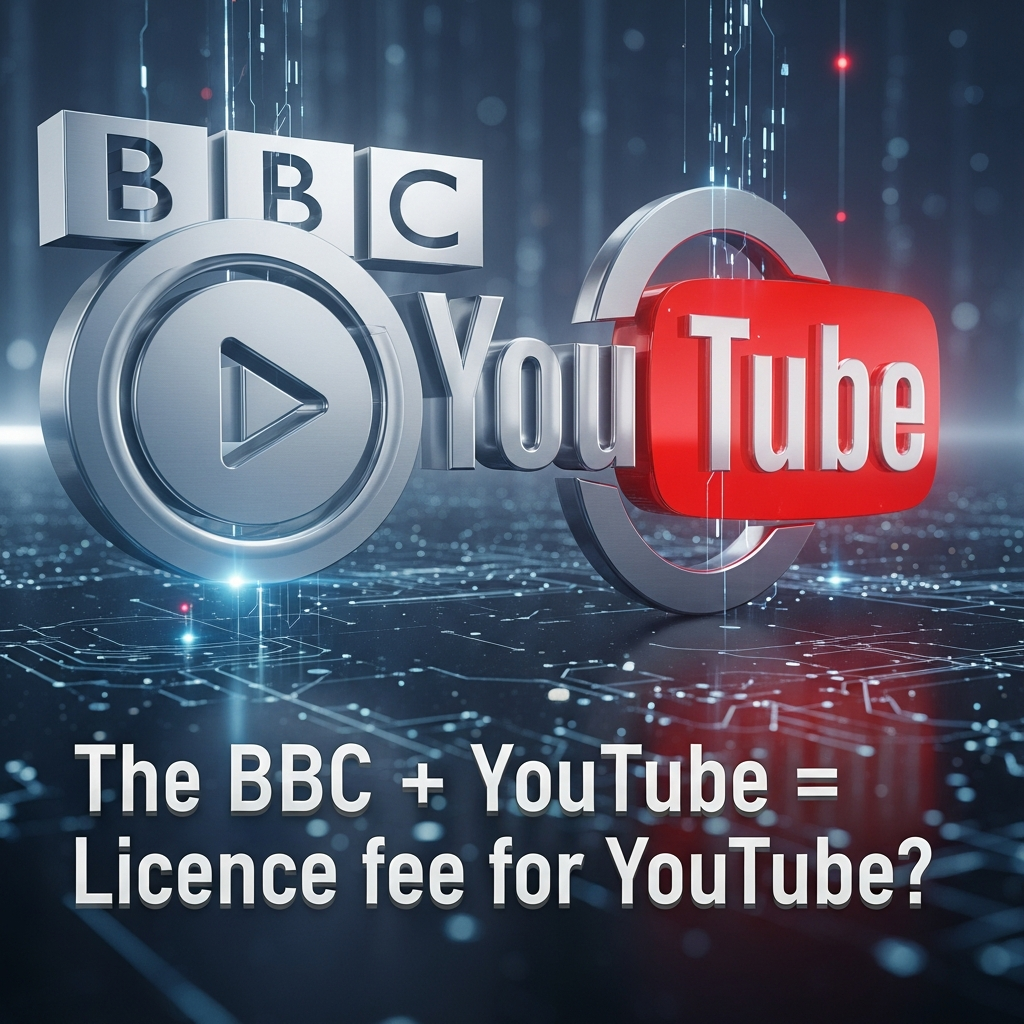
The BBC has made a landmark decision to start putting its content on YouTube.From a viewer’s perspective, it makes perfect sense. Television media is fragmented in a way that music simply isn’t.If I want to listen to my favourite musician, I can use Apple Music, Spotify, or Amazon and find the content instantly. It’s frictionless. Everything is everywhere.Video is a completely different story. BBC content lives on iPlayer, Netflix has its own catalogue, ITV has ITVX, Channel 4 has... Read more
The BBC has made a landmark decision to start putting its content on YouTube.
From a viewer’s perspective, it makes perfect sense. Television media is fragmented in a way that music simply isn’t.
If I want to listen to my favourite musician, I can use Apple Music, Spotify, or Amazon and find the content instantly. It’s frictionless. Everything is everywhere.
Video is a completely different story. BBC content lives on iPlayer, Netflix has its own catalogue, ITV has ITVX, Channel 4 has its own platform, and even Channel 5’s streaming service barely registers for most people.
Most of us pick a single platform and choose something to watch from there.
For many people..including myself…that platform is YouTube. It’s currently the only way I watch any Channel 4 content or consume news output at all.
So putting BBC content there makes a lot of sense. But it also raises some important questions…particularly around the licence fee.
At present in the UK, a licence fee is only required for watching live TV or using iPlayer. Under the current system, most YouTube content is exempt.
The BBC licence fee has been under increasing scrutiny in recent years. Around 2.4 million people have cancelled their licence since 2020, resulting in roughly £1 billion less in funding for the corporation.
The big question has been: how does the BBC respond? Does it introduce advertising, charge extra for certain streaming content, or lobby for a new “broadband tax”? All of these options would be deeply unpopular.
However, many believe the BBC’s move onto YouTube could give it a new argument: that YouTube itself should be included within the licence fee framework.
That would make avoiding the fee almost impossible and significantly boost the BBC’s budget.
Former MP Andrew Bridgen has claimed that when the BBC charter was last up for renewal, he was involved in blocking a proposal to require a TV licence for ITV, Channel 4, and Sky streaming services. If that’s true, this latest move suggests the idea may be back on the table.
It would also open the door for BBC content to appear on ITVX, Channel 4, and other platforms, potentially saving the BBC millions in infrastructure costs alone.
Of course, this could simply be an innocent attempt to expand the BBC’s global reach and generate advertising revenue from international audiences. On the surface, that makes sense.
But no one should be surprised if this shift is eventually accompanied by a change in the law that brings all forms of streaming under the licence fee requirement.
From a viewer’s perspective, it makes perfect sense. Television media is fragmented in a way that music simply isn’t.
If I want to listen to my favourite musician, I can use Apple Music, Spotify, or Amazon and find the content instantly. It’s frictionless. Everything is everywhere.
Video is a completely different story. BBC content lives on iPlayer, Netflix has its own catalogue, ITV has ITVX, Channel 4 has its own platform, and even Channel 5’s streaming service barely registers for most people.
Most of us pick a single platform and choose something to watch from there.
For many people..including myself…that platform is YouTube. It’s currently the only way I watch any Channel 4 content or consume news output at all.
So putting BBC content there makes a lot of sense. But it also raises some important questions…particularly around the licence fee.
At present in the UK, a licence fee is only required for watching live TV or using iPlayer. Under the current system, most YouTube content is exempt.
The BBC licence fee has been under increasing scrutiny in recent years. Around 2.4 million people have cancelled their licence since 2020, resulting in roughly £1 billion less in funding for the corporation.
The big question has been: how does the BBC respond? Does it introduce advertising, charge extra for certain streaming content, or lobby for a new “broadband tax”? All of these options would be deeply unpopular.
However, many believe the BBC’s move onto YouTube could give it a new argument: that YouTube itself should be included within the licence fee framework.
That would make avoiding the fee almost impossible and significantly boost the BBC’s budget.
Former MP Andrew Bridgen has claimed that when the BBC charter was last up for renewal, he was involved in blocking a proposal to require a TV licence for ITV, Channel 4, and Sky streaming services. If that’s true, this latest move suggests the idea may be back on the table.
It would also open the door for BBC content to appear on ITVX, Channel 4, and other platforms, potentially saving the BBC millions in infrastructure costs alone.
Of course, this could simply be an innocent attempt to expand the BBC’s global reach and generate advertising revenue from international audiences. On the surface, that makes sense.
But no one should be surprised if this shift is eventually accompanied by a change in the law that brings all forms of streaming under the licence fee requirement.