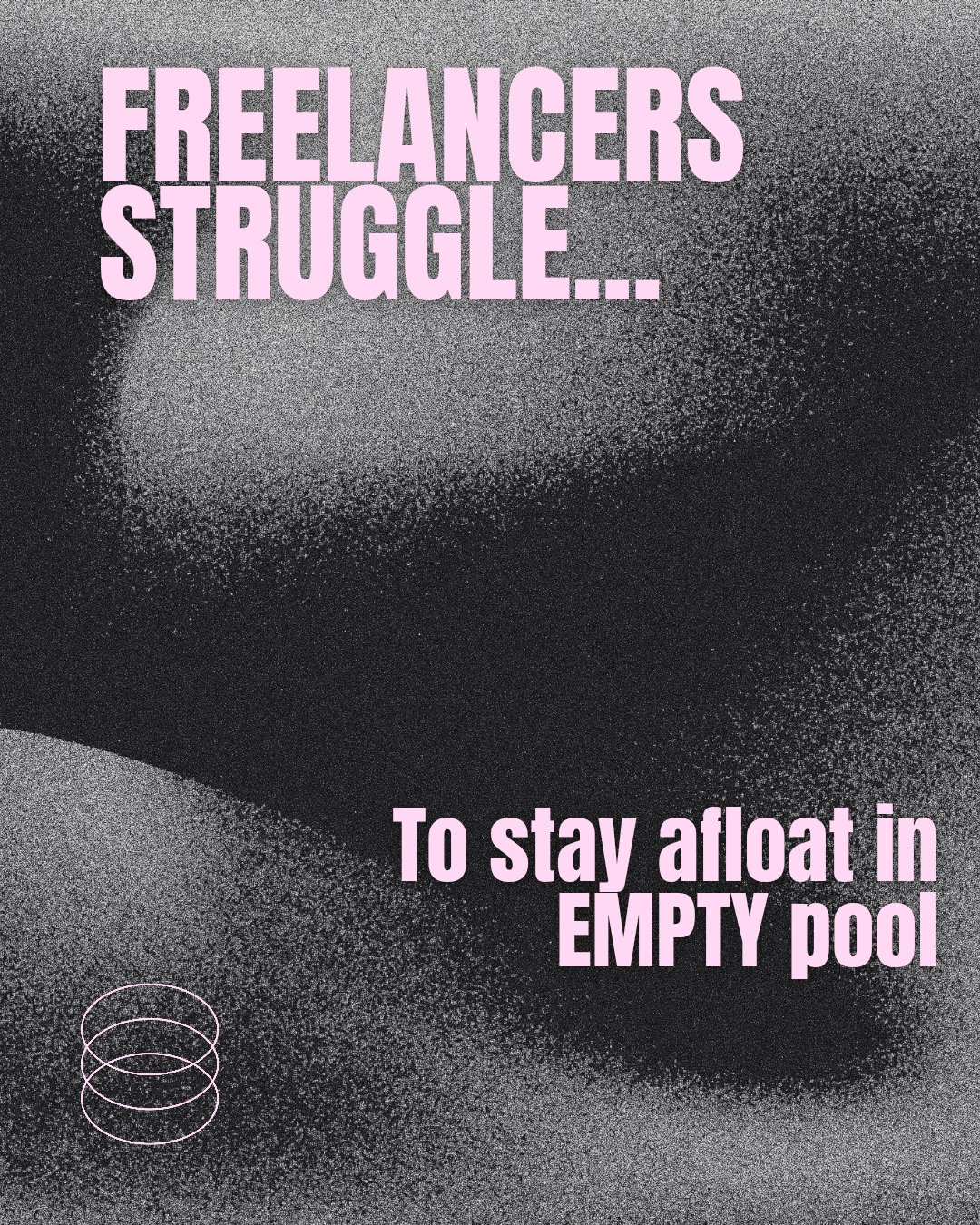
📉 The freelance TV talent pool had hoped September would bring commissions, Q4 cash flow — and frankly, jobs.Instead, it’s been spookily quiet. And the headlines we are seeing only cement the fact that the industry is shifting further into the digital era. Case in point: Zoo 55 (ITV Studios) has just struck a deal to bring ITV content to Spotify for the first time.That means shows like The Graham Norton Show and VICE Studios documentaries will soon live alongside podcasts and music.... Read more
📉 The freelance TV talent pool had hoped September would bring commissions, Q4 cash flow — and frankly, jobs.
Instead, it’s been spookily quiet. And the headlines we are seeing only cement the fact that the industry is shifting further into the digital era. Case in point: Zoo 55 (ITV Studios) has just struck a deal to bring ITV content to Spotify for the first time.
That means shows like The Graham Norton Show and VICE Studios documentaries will soon live alongside podcasts and music. A bold step — and another major signal that video consumption is evolving far beyond traditional TV.
---
🎬 As a producer, I see this moment in the wider context:
📉 Traditional TV’s dominance keeps shrinking.
📱 Digital platforms are expanding and redefining audience behaviour.
⚙️ But while projects get more innovative and tech-led, the job pool gets smaller.
---
📊 The numbers tell the story:
Nearly half of UK TV freelancers are currently unemployed (Bectu, 2025).
More than a third plan to leave the industry within five years if conditions don’t improve (Screen Industry Voices).
And 66% of creative freelancers say the amount of work available has dropped.
This isn’t a lack of talent. It’s a system under strain.
---
💡 From my own experience:
Crews of 20 are replaced by 8 thanks to automation & AI.
Colleagues are leaving TV/film to survive in marketing, UX, or tech roles.
There’s constant pressure to “re-brand” yourself: producer + podcaster + AR/VR + editor… just to stay relevant.
The future needs people who can blend storytelling craft with tech fluency. But we risk losing sustainability and depth if we reduce creative labour to “nice to have.”
---
🔥 So what does this ITV x Spotify deal really mean?
Platforms once built for audio are now serious contenders in video.
The boundaries between broadcast, podcast, and streaming are blurring.
But unless talent is valued and protected, innovation will come at the cost of people — not platforms.
---
🤔 The questions I’m left with:
Are these partnerships opening doors for creatives, or shutting them?
How do we make sure talent captures value — not just platforms?
Could models like revenue share, co-ops, or collective rights protect creators more fairly?
And how do we stop losing brilliant freelancers to other industries?
---
We’re not witnessing collapse — we’re living through transformation. But transformations create vacuums. The real fight is over who fills them, and on what terms.
👉 Fellow freelancers, producers, and platform thinkers: how are you navigating this shifting landscape?
---
#ITV #Spotify #DigitalMedia #Freelancers #VideoStreaming #Broadcasting #ContentCreation #ProducersLife #CreativeIndustries #MediaInnovation #Storytelling
Instead, it’s been spookily quiet. And the headlines we are seeing only cement the fact that the industry is shifting further into the digital era. Case in point: Zoo 55 (ITV Studios) has just struck a deal to bring ITV content to Spotify for the first time.
That means shows like The Graham Norton Show and VICE Studios documentaries will soon live alongside podcasts and music. A bold step — and another major signal that video consumption is evolving far beyond traditional TV.
---
🎬 As a producer, I see this moment in the wider context:
📉 Traditional TV’s dominance keeps shrinking.
📱 Digital platforms are expanding and redefining audience behaviour.
⚙️ But while projects get more innovative and tech-led, the job pool gets smaller.
---
📊 The numbers tell the story:
Nearly half of UK TV freelancers are currently unemployed (Bectu, 2025).
More than a third plan to leave the industry within five years if conditions don’t improve (Screen Industry Voices).
And 66% of creative freelancers say the amount of work available has dropped.
This isn’t a lack of talent. It’s a system under strain.
---
💡 From my own experience:
Crews of 20 are replaced by 8 thanks to automation & AI.
Colleagues are leaving TV/film to survive in marketing, UX, or tech roles.
There’s constant pressure to “re-brand” yourself: producer + podcaster + AR/VR + editor… just to stay relevant.
The future needs people who can blend storytelling craft with tech fluency. But we risk losing sustainability and depth if we reduce creative labour to “nice to have.”
---
🔥 So what does this ITV x Spotify deal really mean?
Platforms once built for audio are now serious contenders in video.
The boundaries between broadcast, podcast, and streaming are blurring.
But unless talent is valued and protected, innovation will come at the cost of people — not platforms.
---
🤔 The questions I’m left with:
Are these partnerships opening doors for creatives, or shutting them?
How do we make sure talent captures value — not just platforms?
Could models like revenue share, co-ops, or collective rights protect creators more fairly?
And how do we stop losing brilliant freelancers to other industries?
---
We’re not witnessing collapse — we’re living through transformation. But transformations create vacuums. The real fight is over who fills them, and on what terms.
👉 Fellow freelancers, producers, and platform thinkers: how are you navigating this shifting landscape?
---
#ITV #Spotify #DigitalMedia #Freelancers #VideoStreaming #Broadcasting #ContentCreation #ProducersLife #CreativeIndustries #MediaInnovation #Storytelling