This archival triumph comes courtesy of two medieval historians – but it speaks volumes to all of us who live and breathe archives. 🎉The Guardian revealed that Harvard Law School’s “unofficial” Magna Carta (HLS MS 172) isn't a late copy at all, but one of only seven surviving originals issued by... Read more
This archival triumph comes courtesy of two medieval historians – but it speaks volumes to all of us who live and breathe archives. 🎉
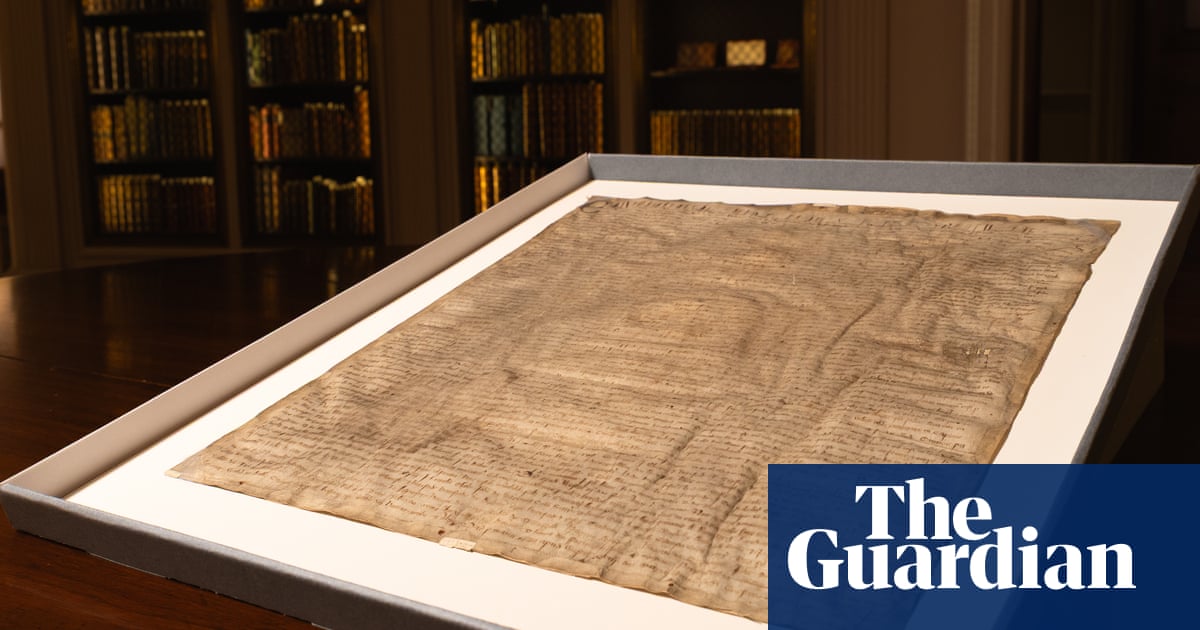
The Guardian revealed that Harvard Law School’s “unofficial” Magna Carta (HLS MS 172) isn't a late copy at all, but one of only seven surviving originals issued by Edward I in 1300. Using spectral imaging, UV light and painstaking paleographic comparison, Prof. David Carpenter (KCL) and Prof. Nicholas Vincent (UEA) matched every word – even the unusual double‑capital “ED” of “Edwardus” – to its six known siblings.
Why does this matter?
Provenance work: From Appleby town in Cumbria, through the Lowther aristocrats, to abolitionist Thomas Clarkson and an RAF ace, this document’s journey underscores the detective work at the heart of archival practice.
Technical rigor: Digital tools + traditional paleography = new discoveries hiding in plain sight.
Cultural heritage: Magna Carta cemented the principle that rulers are subject to law — the bedrock of modern democracy and legal systems worldwide.
As an archive producer, I’m inspired by how open collections and interdisciplinary collaboration can rewrite history. 🔍✒️
Whether you’re caring for medieval charters or 21st‑century born‑digital files, the lesson is clear: never underestimate what’s in your repository – extraordinary finds often lie behind humble catalogue entries.
What hidden treasures are waiting in your stacks?
https://www.theguardian.com/uk-news/2025/may/15/harvards-unofficial-copy-of-magna-carta-is-actually-an-original-experts-say?fbclid=IwY2xjawKWfZ5leHRuA2FlbQIxMQBicmlkETBibDJCWTdWZVd3QTlQdnA0AR7Xy0hEHpyJ_BGQmk12Imj7U7qDnVl4eKny17KHYJc0hykt-i4-mKLs1NX90g_aem_IoK5faA788CDpjCSmf23mg
The Guardian revealed that Harvard Law School’s “unofficial” Magna Carta (HLS MS 172) isn't a late copy at all, but one of only seven surviving originals issued by Edward I in 1300. Using spectral imaging, UV light and painstaking paleographic comparison, Prof. David Carpenter (KCL) and Prof. Nicholas Vincent (UEA) matched every word – even the unusual double‑capital “ED” of “Edwardus” – to its six known siblings.
Why does this matter?
Provenance work: From Appleby town in Cumbria, through the Lowther aristocrats, to abolitionist Thomas Clarkson and an RAF ace, this document’s journey underscores the detective work at the heart of archival practice.
Technical rigor: Digital tools + traditional paleography = new discoveries hiding in plain sight.
Cultural heritage: Magna Carta cemented the principle that rulers are subject to law — the bedrock of modern democracy and legal systems worldwide.
As an archive producer, I’m inspired by how open collections and interdisciplinary collaboration can rewrite history. 🔍✒️
Whether you’re caring for medieval charters or 21st‑century born‑digital files, the lesson is clear: never underestimate what’s in your repository – extraordinary finds often lie behind humble catalogue entries.
What hidden treasures are waiting in your stacks?
https://www.theguardian.com/uk-news/2025/may/15/harvards-unofficial-copy-of-magna-carta-is-actually-an-original-experts-say?fbclid=IwY2xjawKWfZ5leHRuA2FlbQIxMQBicmlkETBibDJCWTdWZVd3QTlQdnA0AR7Xy0hEHpyJ_BGQmk12Imj7U7qDnVl4eKny17KHYJc0hykt-i4-mKLs1NX90g_aem_IoK5faA788CDpjCSmf23mg