What do people think the BBC should do re this? Are the impartiality specifications too strict for everyone? Newsroom staffers included? Or is impartiality so fundamental to the organisation's survival that strict guidelines and policing of them is key?
Alex Conabeare
@SarahLee whatever the decision, this is certainly something which the policy should be clear about and not leave room for subjective interpretation or ambiguity.
Balanced opinion and diversity of thought should be the BBC's USP
@SarahLee the original decision was made at the behest of the Tories, for whom the current chair worked (works?) so any notion of impartiality at the BBC has been gratuitously undermined. It's not just Gary, it's also David Attenborough and countless reporters (many of whom have left over the matter).
I probably won't be able to get a job there now...
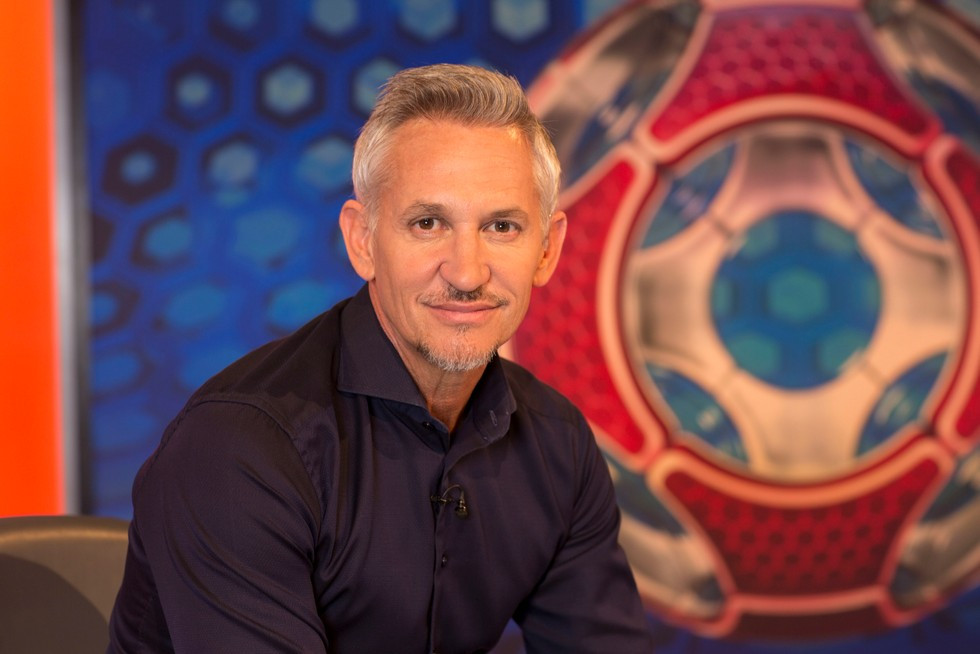
Lineker is a (very good) sports presenter. His ability to do that job is not impacted by his views on other non-sport issues, nor do the views that he holds personally impact on the wider BBC's news coverage or political reporting. Nor the public's perception of it. This isn't the 1st time the Beeb has got itself in muddle of these rules (remember the ban – then ‘’clarified’’/ overturned – on staff attending a Pride march? That was just 3 years ago) and won’t be the last. 1/4
Whenever the BBC tries to define and then enforce its impartiality rules, there’s always a sense of that it views the general public as incapable of making these sorts of distinctions – IE between a human being with personal views and their ability to do a job professionally and fairly. In the last week, a lot of people have cited Andrew Neil’s chairmanship of the Spectator as rendering him unsuitable for the Beeb to use as a political interviewer/ presenter. 2/4
But his interviews have always seemed to me to be robust, forensic and largely fair no matter who his interviewee is – and, in many ways, knowing explicitly what Neil’s own political convictions are helps contextualise his questioning. 3/4
I think more problematic is the mindset that many broadcasters have that impartiality means having two diametrically opposed views – as though the truth is always somewhere in the middle. If someone says it’s raining, and someone else says it’s not raining, it’s the journalist’s job to go outside & check. Unfortunately, it’s this sort of mindset that results in the likes of Nadine Dorries being given 10 minutes of uninterrupted airtime to spout nonsense on behalf of Boris Johnson. 4/4
Balanced opinion and diversity of thought should be the BBC's USP
I probably won't be able to get a job there now...