The red dust died along with its monstrous parent, but the winds keep blowing over the ghost towns making their children question the future with every breath.
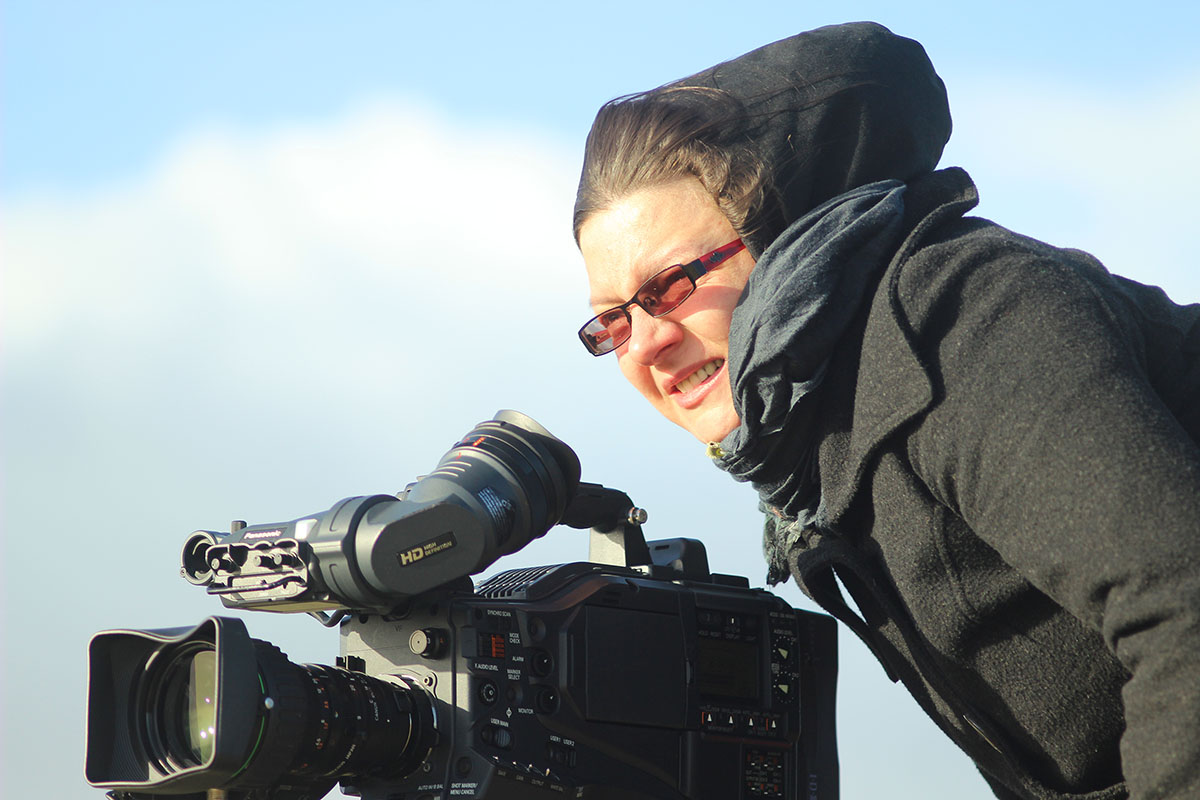
My documentary Red Dust was inspired by my observation of the people of North Lanarkshire. This started to make me wonder why a lot of them appeared to be unhappy and unwell. Having an interest in ecology and environmental human rights, as a documentary filmmaker, I decided to carry out a search to see if I could discover why people in the Lanarkshire area looked so ill. One day a friend asked me what I had been doing. When I told him that I had being picking wild flowers he said that I should throw them away because the ground where I got them is contaminated. He told me there had been a steelworks there. This immediately connected with an observation I had made about the unhealthy looking aspect of people in the local area. I began to think a lot about the Ravenscraig Steelworks.
The next thing that happened was I was at a Halloween fancy dress party, and I started to talk to a pirate! He was an ex-Ravenscraig worker and we started to converse about the politics of steelworks in North Lanarkshire, including Ravenscraig. Our conversation contained some references to pollution as well. His handicapped daughter was there and for some reason this made me think that perhaps her brain damage had been caused by pollution. This also led me to think that the illness and suffering I had seen in the faces of people could be related to the ‘red dust’ pollution produced by the steelworks. Having discovered the closure of Ravenscriag Steelworks, I then learned through conversations, about high levels of cancer amongst ex-workers and residents in the local areas. Having studied post-industrial areas before, I suspected that the cause of the health problems in this part of Scotland, was pollution. My initial research showed me that it is a proven fact that pollution causes illnesses, such as cancer and asthma. This gave me the impetus to look for people to interview, and felt that this would make an ideal documentary subject.
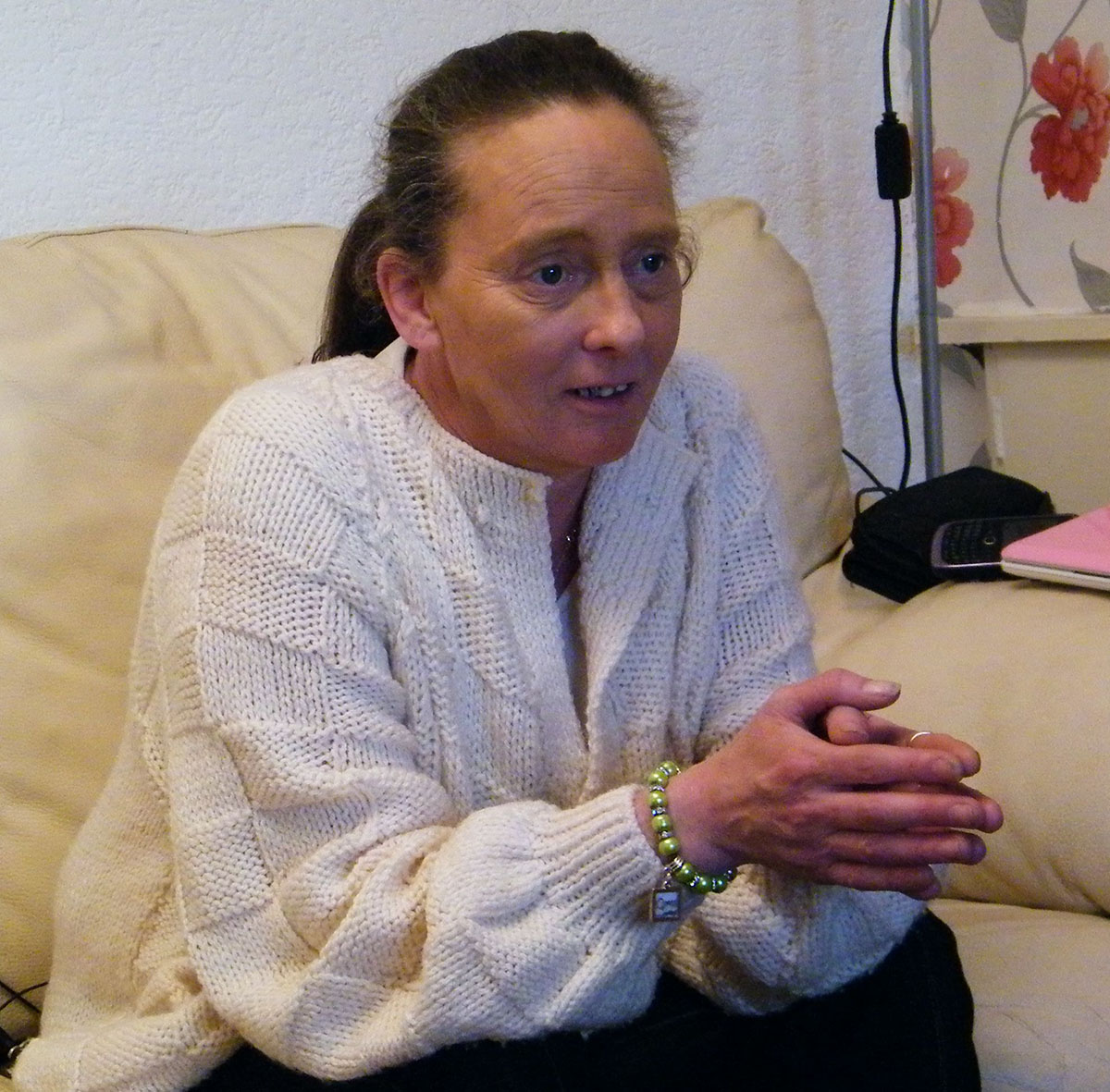
A year or so later I was in Craigneuk Public Library. I got into a conversation with the librarian. She began to tell me a lot about the red dust pollution in the area. From that point onwards I had decided that this was going to be the subject of my graduate documentary project at Edinburgh College of Art /Edinburgh University. I became excited about the idea of making connection between Ravenscraig and levels of cancer in the area. The NHS, in reports they have produced about cancer in surrounding areas of North Lanarkshire, have stated that there is no difference between the number of people with cancer in the Ravenscraig/Craigneuk area, and the rest of the neighbourhoods in North Lanarkshire. One of the principle aims of my documentary is to show that there is a higher cancer rate in the Ravenscriag- Craigneuk area, than the statistics show. One a more personal level I am motivated by a tragedy that pollution, and epigenetics brings into people’s lives. My initial groundwork in the North Lanarkshire area has brought me into contact with people and families who are suffering at the hands of a lack of environmental health right. This is what motivates me more than anything.
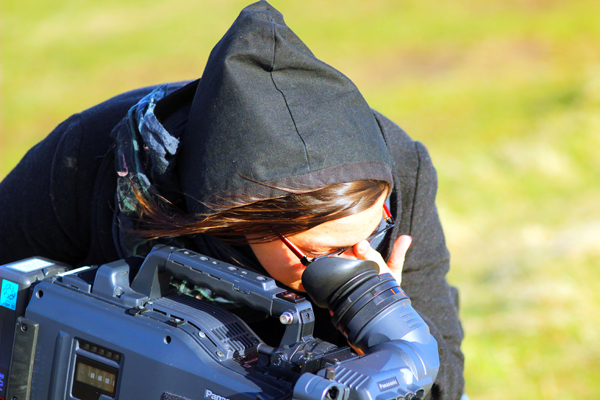
Red Dust is nominated for Best Student Documentary at The Grierson British Documentray Awards 2013. Directed by Ilona Kacieja.