The Creative Diversity Network has overhauled its Diamond diversity monitoring system to give freelancers greater control of their data and enable producers and indies to build a “fuller, more nuanced picture” of the TV workforce.
It has unveiled Diamond 2.0, which will enable indies access to access consolidated Diamond reports so they can measure their own performance across roles, genres, nations and regions against industry benchmarks.
They can then use this more detailed data to complete the diversity requirements of broadcasters, awards bodies and funding organisations.
The update also aims to help broadcasters analyse both linear and streaming contributions to diversity measures and offer a fuller picture of intersectionality in areas such as gender and race, as well as measuring progression from entry level to senior roles.
Cast and crew members will now only have to fill in one diversity monitoring form, which can be linked to future programmes, removing the need to fill in multiple forms for different projects, as well as updated anonymity, privacy and security measures.
Diamond 2.0 will begin collecting data in July, with reporting around the new system set for 2027. Until then, CDN will continue to report on data gathered under the existing Diamond data system.
The changes have been devised in partnership with the BBC, ITV, Channel 4, Paramount, Sky, UKTV, Warner Bros, Discovery and Lumo TV, following a consultation with stakeholders across the sector including freelancers, indies, post-production companies and Pact.
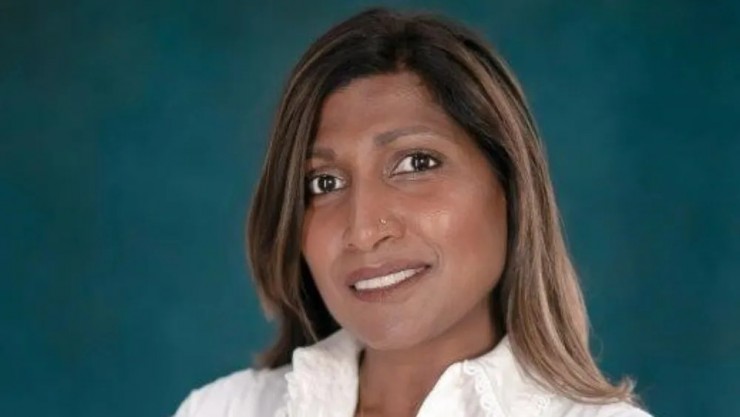
CDN chief executive Miranda Wayland said: “Freelancers and production teams have told us they need less duplication, greater control over their data, and confidence that their contributions are being counted properly and used responsibly.
“For the first time, production companies and broadcasters will be able to see a fuller, more nuanced picture of who is working in our industry, across roles, genres, nations, and regions, and across linear and streaming. This enables more meaningful analysis of progression, intersectionality, and long-term change, not just snapshots in time.”
She described it as a “step change” in the industry’s understanding of diverse representation.
“It strengthens accountability, supports better decision-making, and helps ensure that talent from all backgrounds can enter, progress and thrive in our industry.”