It’s sometimes hard to remember which of the heroes and villains of the 20th Century are still alive. George Blake, probably the most famous British traitor of the Cold War, is – aged 92, nearly blind, living in woods thirty miles or so from Moscow.
The last time he was headline news was in 1966 when he escaped over the wall of a London prison and was smuggled out of the country in the back of a camper van. Nearly fifty years later I was in Moscow with my producer Teresa Cherfas near the end of a film tracking his extraordinary story. All attempts to make a date with him had been turned down.
But I couldn’t let the matter rest at that, so we took the local train to the village where he lived and trudged off into the woods clutching a photograph we’d got showing his house half hidden behind one of the high fences which lined the muddy track. Finally we found it. Expecting to be refused entry, I had written a letter to him which I planned to pass to whoever opened the gate. But before I had even rung the bell, it opened and we were invited into the compound by a woman just leaving for the shops: maybe a case of mistaken identity. We circled his house tentatively, expecting to be collared by security men at any moment. There was no sign that anyone was in, but as we came round the back, I saw a figure dimly through the window. It was him, no question.
Our luck held. His Russian wife Ida saw us through the window and opened the door. Behind her at the kitchen table, Blake seemed amused by the idea that I had a letter for him – from myself. We were invited in for tea and chatted about people I’d met whom he had known in the old days. Would he mind if I did a little filming, I asked. Ida was against it, but Blake waved her objections aside, saying it wasn’t an interview: we were just talking.
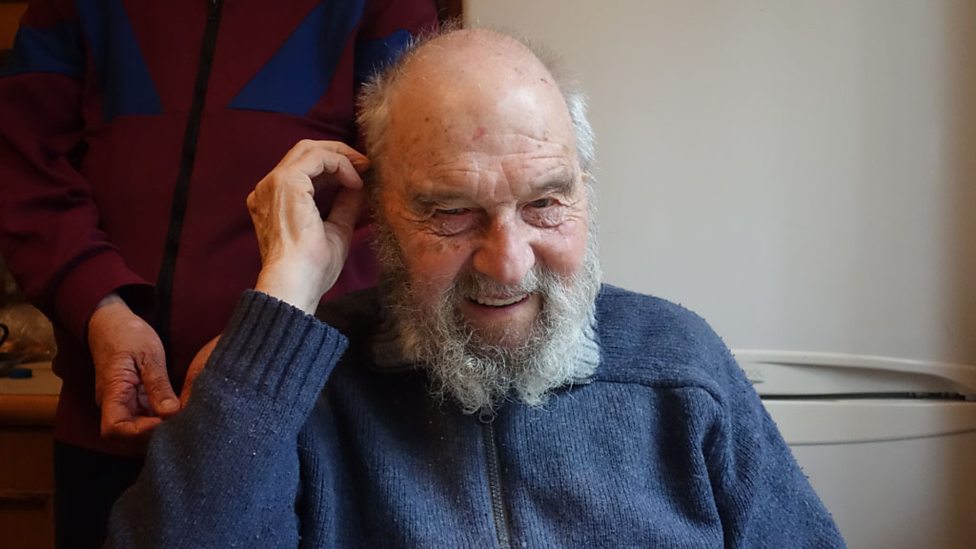
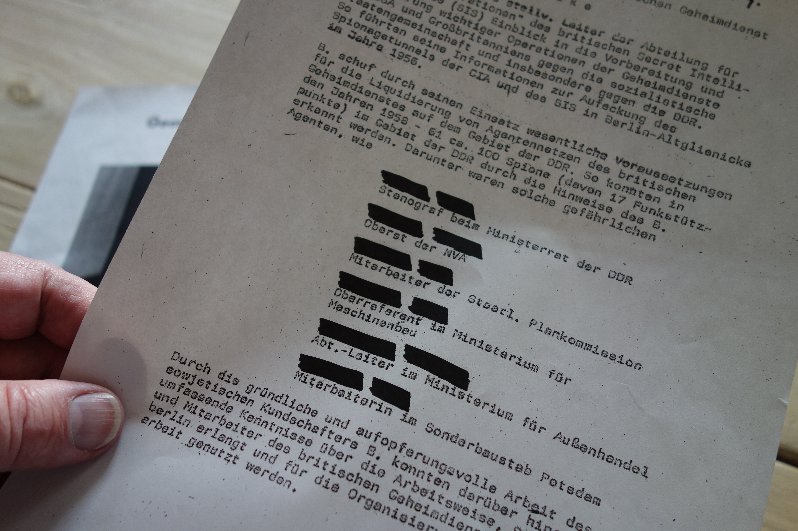
Unlike the Cambridge spies, Philby, Burgess and Maclean, who took to drink to survive their endless exile in Moscow, Blake seemed happy enough sipping tea in his private world. When I asked him what he thought of the present regime, his face went blank. “You’re now trying to interview me. I don’t want to talk about that.” Would he like to go back to Holland, the country of his birth? “No, no.” he said. “I can hardly see anything, so what’s the point?” And anyway, he added, he might be arrested and handed over to the British. Indeed he might. Just how many British agents he betrayed has never been revealed, but it ran into hundreds. Deep in the German archives I found the names of six of them: three sentenced to life imprisonment, two to slightly shorter terms and one – a Colonel in the East German army - almost certainly executed.

George Blake Masterspy of Moscow is nominated for Best Historical Documentrary at The Grierson Awards 2015.
George Carey for CTVC; first shown: BBC Four