Mark Saben explains the reasons for ditching the rig for the ITV doc
A fly on the wall series inside a register office had huge potential as there are so many life-defining moments taking place every day. Our first choice was the Old Marylebone Town Hall as it’s one of the most iconic register offices in the country.
It had such a rich history, hosting the weddings of Paul McCartney, Liam Gallagher and Oscar Wilde, a vault containing the death certificates of Churchill and Thatcher and the birth certificates of the royal family and Romeo and Brooklyn Beckham.
However gaining access was tricky. We knew it was going to be a momentous summer for the service with an appointment book full of weddings and the arrival of the Royal baby falling within our shoot period. We discovered that this was set against the backdrop of the service moving out of the town hall after over 90 years.
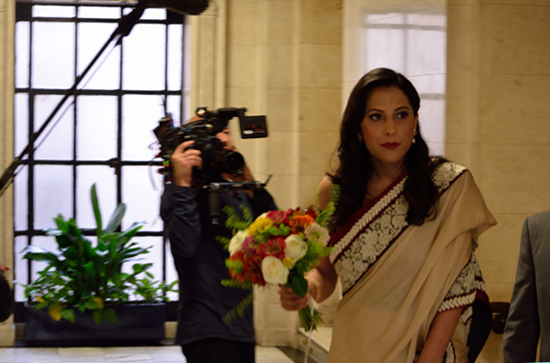
Understandably there was some reticence on behalf of all the registrars and the service itself given the Town Hall had never before opened its doors to cameras, so it was a bit of a leap of faith for them. Our development producer, Chloe Huntly, led the charm offensive and having relayed the concept and tone of the series, we managed to secure access and the consent from more than half of the Marylebone-based 21 registrars.
The doc began as a rig show and we took the logical step of hiring an SP who was an expert in this field, Dominique Foster, who had made two series of One Born Every Minute.
However after watching the registrars work we decided to go for a more traditional ob doc style.
It was a big decision to ditch the rig, but Dominique and the team adapted their approach and gave us better access. Interacting with contributors allowed us to develop strong relationships with the staff and capture incredibly moving scenes of human drama.
Emotional rollercoaster 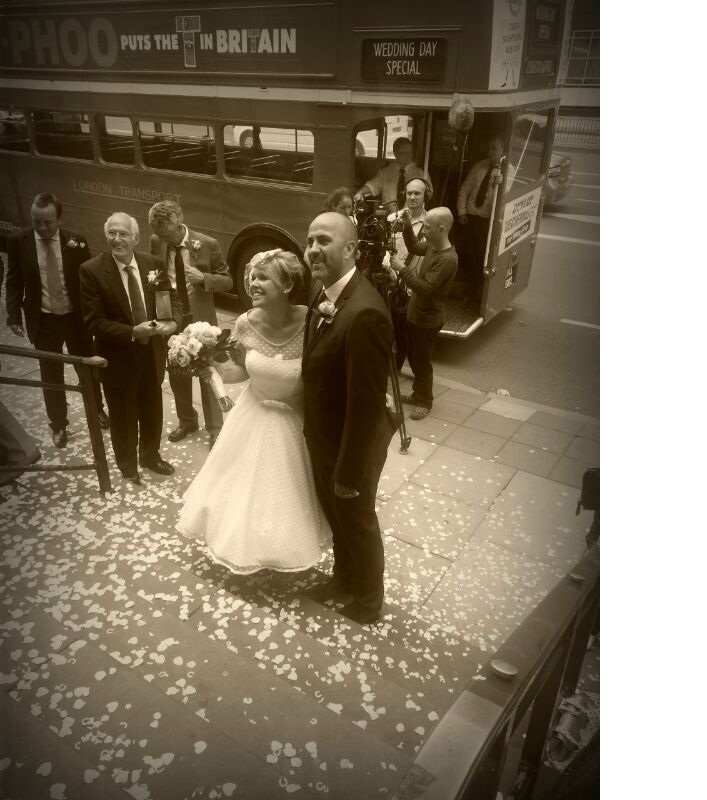
Filming was emotionally draining as the team was regularly moving between extreme highs, such as the joy of a marriage or a new baby, to the bereaved as they attempted to come to terms with the loss of a loved one.
Births and marriages must be booked in at least a month in advance, which gave the team the opportunity to secure potential stories, but the death registrations required us to tread far more sensitively.
Following each registration, the contributors were taken to a room to complete a piece to camera once they’d had time to process what had happened. For most, their visit to The Old Marylebone Town Hall marks a life changing event and this is something we wanted to fully capture on screen. With emotions often high, it was down to series director Nick Betts to work closely with the contributors to ensure they had the support they needed from our team. With respect to deaths specifically, these interviews were often welcomed as a chance to validate the lives of those they’d lost.
It was a really challenging series to make but ultimately we were incredibly lucky that people who came through the doors allowed us to share their stories, and the registrars were incredibly accommodating. There is genuine compassion involved in their jobs which I believe comes across really strongly in the series.
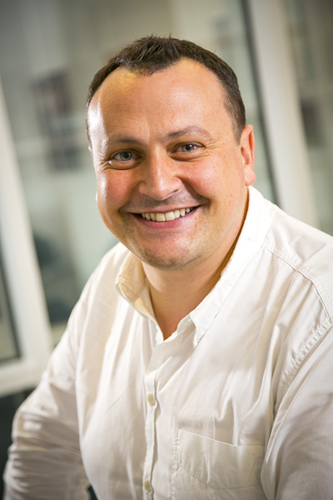
Mark Saben is executive producer of Births, Deaths & Marriages for Wall to Wall Television, nominated for 'Best Documentary on a Contemporary Theme – Domestic' at the 2014 Grierson Documentary Awards
First appeared in Broadcast 11 February, 2014